Car Reviews
Interpreting Vehicle Reliability Ratings and Data
By Jordan Mitchell · 7 min read
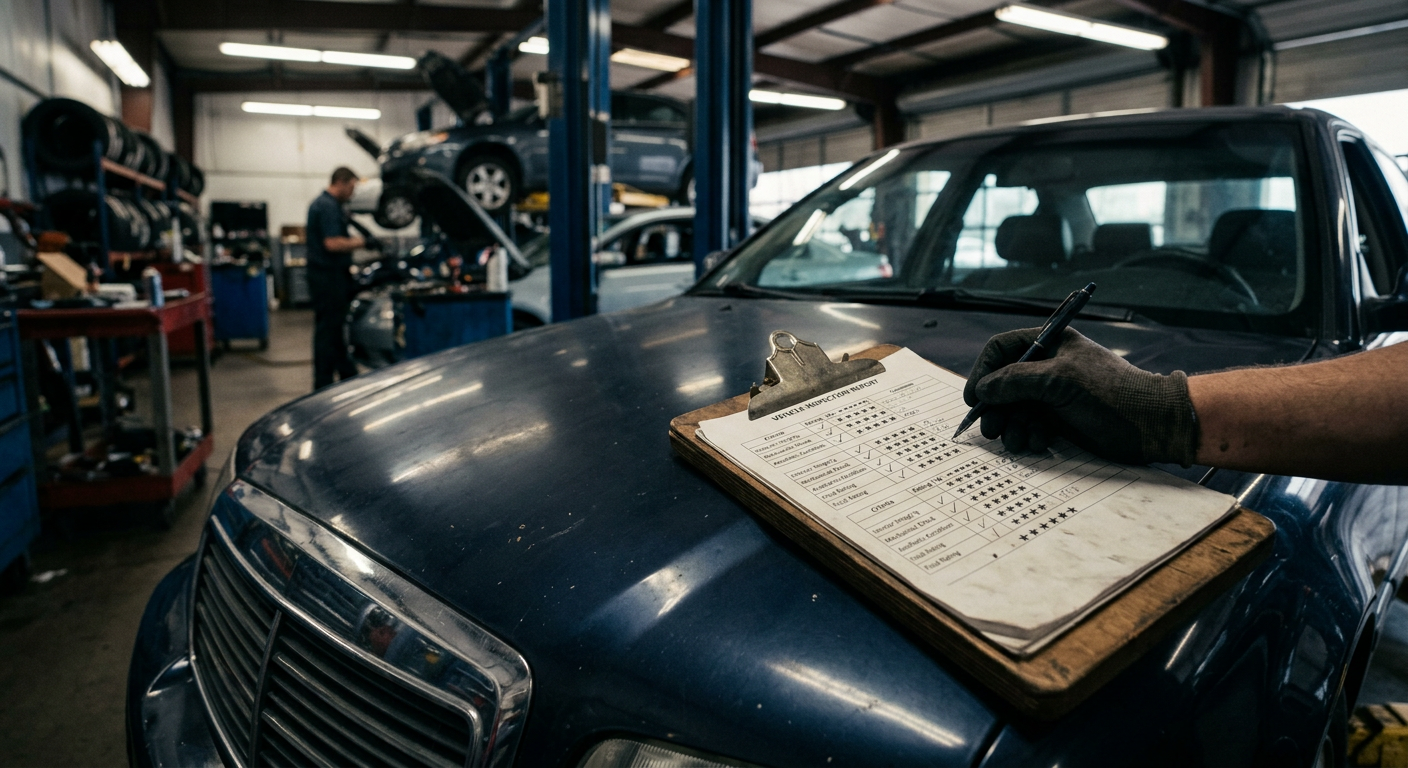
The initial purchase price of a vehicle is often only one part of the total cost of ownership. Long-term reliability typically influences how much a driver may spend on upkeep and repairs as the vehicle ages. Reliability metrics, often gathered from owner surveys and mechanical assessments, can provide a framework for what to expect over time. By learning to interpret these ratings, you can choose a vehicle based on historical performance, which may help in selecting a model suited for your specific needs.
Sources of Vehicle Reliability Data
Reliability data is typically collected from two primary sources: independent testing organizations and aggregated consumer surveys. Independent groups may perform mechanical evaluations and extended road trials to identify potential weaknesses in major systems. Consumer surveys generally collect feedback from many owners regarding their experiences with various vehicle components, ranging from battery performance to interior construction.\n\nWhen reviewing this data, it is often helpful to look for patterns across multiple model years. If a vehicle shows a lower rating for a specific system several years in a row, this may indicate a recurring issue. Conversely, a vehicle might show a temporary dip in reliability during the first year of a new design, as early versions of a redesigned model may have minor issues that are often addressed in later production years.
Distinguishing Between Minor and Major Issues
It is important to note that not all recorded issues have the same impact on a vehicle's operation. A reliability report may list minor electronic glitches alongside major mechanical concerns. When analyzing this information, you may want to distinguish between cosmetic or secondary issues, such as trim pieces or infotainment software, and significant mechanical systems like the engine or transmission.\n\nFocusing on the drivetrain, cooling system, and structural components is often a practical approach. A vehicle that receives a lower score due to an unconventional interface might still be mechanically sound for long-term use. However, a model with a history of drivetrain concerns should be considered carefully, as those types of repairs can be more involved and may lead to more time spent in the shop.
Electronic Complexity and Reliability
Modern vehicles increasingly rely on complex electronic systems and software. Many reliability reports now include data on electronic components rather than just traditional mechanical parts. While a software issue might not always prevent a vehicle from being driven, it can be complicated to address once a standard warranty period has ended. You may want to check if a specific model has a history of sensor or display concerns.\n\nAdditionally, the complexity of a vehicle's technology can influence its long-term outlook. Advanced features can provide more points that may require attention as the vehicle ages. If your goal is to find a vehicle with fewer potential points of failure, models with established, less complex mechanical systems may sometimes offer more consistent reliability scores over time.
Maintenance Schedules and Vehicle Life
Regular service is a standard way to maintain a vehicle's condition, but some models may have more specific requirements than others. Reviewing the suggested maintenance schedule from the manufacturer can provide insight into future costs. Vehicles that require specialized fluids or frequent part replacements will generally involve more consistent upkeep to remain in good working order.\n\nReliability ratings typically assume that an owner will follow the recommended service intervals. If a vehicle requires very specific maintenance, its reliability in the used market may depend on whether previous owners adhered to that schedule. Researching models known for more standard maintenance requirements may be beneficial for those seeking a more flexible service routine.
Reliability and Potential Resale Value
A vehicle's perceived reliability can be an indicator of its potential resale value. Vehicles from manufacturers with a history of consistent performance often retain their value differently than those with inconsistent records. This may mean that a vehicle with a higher reliability rating could have a higher market price initially, but it could also retain more of its value in the future.\n\nConsidering reliability data can be a method of evaluating potential depreciation. Even for those not planning on keeping a vehicle for many years, future buyers often prioritize models known for longevity. Reviewing these metrics is an informative step that can help you understand the potential financial trajectory of your vehicle over the period of ownership.
Disclaimer: This article is informational only and does not constitute financial, legal, or insurance advice. Eligibility, rates, and outcomes vary by lender, insurer, region, and individual circumstances. Always verify details with the program or institution directly before making decisions.