Car Buying
Comparing New and Used Vehicles: Financial Considerations
By Jordan Mitchell · 6 min read
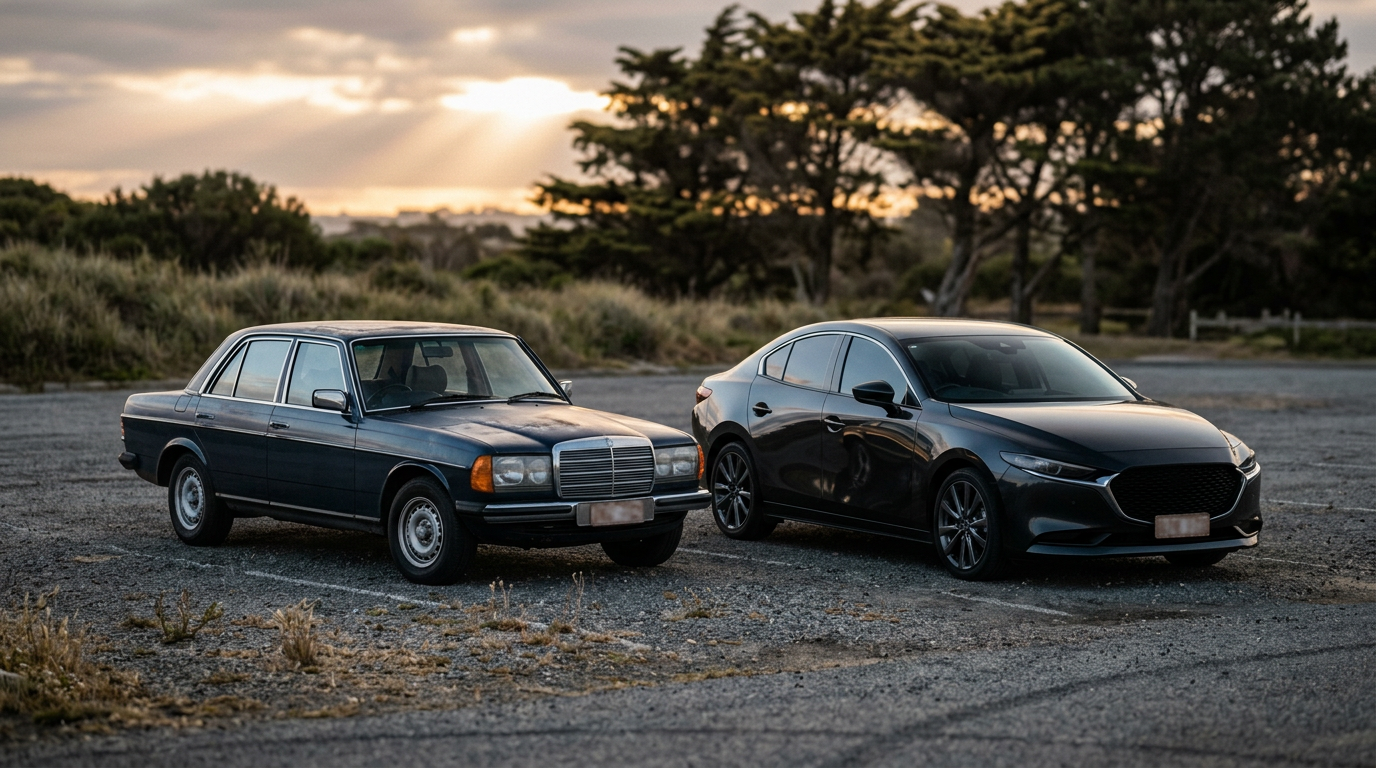
Choosing between a new vehicle and a used model involves a high level of financial consideration. While a new car may offer updated features and manufacturer-provided coverage, the rate at which it loses value can be a factor for certain buyers. On the other hand, pre-owned vehicles often have a lower purchase price but might require more frequent maintenance. Reviewing how these factors interact with your budget and expected usage is a helpful step in evaluating a vehicle purchase.
Evaluating New Vehicles: Features and Coverage
New vehicles may provide a sense of security regarding mechanical condition and usage history. Buyers often have access to modern safety features, fuel efficiency standards, and updated interior systems. A primary benefit is the inclusion of a manufacturer warranty, which can cover specified repairs for a certain period or mileage limit. This may allow for more predictable monthly budgeting as certain mechanical issues could be covered under the terms of the agreement. Additionally, qualifying buyers may find that new vehicles are eligible for certain financing rates through participating lenders.\n\nOne potential drawback to consider is the rate of depreciation. Many vehicles experience a reduction in value shortly after the initial purchase. For those who intend to replace their vehicle after a short period, this loss in value may impact their overall financial position. Furthermore, insurance costs for new models can be higher in some cases due to the value of the vehicle, which may increase the total cost of ownership.
Evaluating Pre-Owned Options: Value and Longevity
Prospective buyers often look at the pre-owned market because these vehicles typically have lower purchase prices. Since a previous owner has already experienced the initial period of depreciation, a buyer may be able to find a vehicle with more features or a larger size for a similar price as a base-level new model. This may lead to a lower loan balance and different monthly payment structures, depending on the terms of the financing.\n\nStandard costs such as registration and insurance premiums may also be lower for pre-owned vehicles when compared to newer models. While many vehicles are built for longevity, the history of a used car is an important factor to consider. Without a full manufacturer warranty, the owner is typically responsible for maintenance and repair costs, which may require maintaining a fund for unexpected mechanical needs.
The Role of Certified Pre-Owned Programs
Certified Pre-Owned (CPO) vehicles can offer an alternative that combines certain aspects of both new and used cars. These vehicles are typically newer used models with lower mileage that have undergone an inspection process. Many CPO programs include a limited warranty backed by the manufacturer, which can provide a level of coverage that is not typically available with standard used vehicle sales. While these vehicles may be priced higher than non-certified used cars, some buyers may prefer this option for the added oversight.\n\nFinancing terms for CPO vehicles can sometimes be different than those offered for older used cars, though they may not always match the promotional rates available for new inventory. For drivers seeking a balance between modern amenities and a lower initial purchase price compared to a new car, the CPO market may be a suitable area for research.
Considering the Total Cost of Ownership
To make an informed choice, it is helpful to calculate the total cost associated with the vehicle beyond the monthly payment. This calculation may include insurance, fuel, potential maintenance, and applicable taxes. A new vehicle might have a higher monthly payment but lower immediate maintenance costs, while a used car might have a lower payment but require more regular upkeep. When these expenses are averaged over time, the difference in cost may vary depending on the specific vehicle.\n\nConsider your expected mileage and driving habits. If you drive a significant number of miles annually, a used vehicle may reach the end of its typical service life sooner, which could lead to another purchase in a shorter timeframe. If you drive less frequently, a pre-owned vehicle might serve your needs for many years. Reviewing several scenarios before visiting a seller can help clarify which option fits your situation.
Reviewing Options Based on Financial Priorities
The final choice often depends on an individual's preference for risk and their current financial situation. If having a consistent monthly expense is a priority, a new vehicle may be a consideration. If the goal is to minimize the total amount financed and avoid high depreciation, a well-maintained used vehicle may be an appropriate path. In either case, reviewing the vehicle’s history report and performing a thorough check are standard steps in the process.\n\nBefore making a final decision, it can be useful to research the potential resale value of the models you are considering. Certain vehicles may retain their value better than others over time, which can influence the overall cost. Understanding these market trends may help in choosing a vehicle that aligns with your long-term financial plans.
Disclaimer: This article is informational only and does not constitute financial, legal, or insurance advice. Eligibility, rates, and outcomes vary by lender, insurer, region, and individual circumstances. Always verify details with the program or institution directly before making decisions.